In recent years, the B2B furniture market has undergone a profound transformation. It is shifting from a model based on standardized products and high volumes to one increasingly focused on design, customization, and perceived quality. In this context, custom furniture components —handles, opening systems, locking mechanisms, technical accessories, and functional details—is taking on a central role.
Globally, the share of custom custom productscustom most advanced contract projects is estimated to be between 25% and 40% of the total value, with even higher proportions in the hospitality and luxury segments. It is no longer a niche: customization in B2B has become a true competitive driver.
Europe and Italy: custom a Design Culture
In Europe, this trend is even more pronounced. The culture of design, the key role played by architects and interior designers, and a focus on detail are driving the demand for bespoke solutions. In the major markets—Italy, Germany, France, and Northern Europe— custom for contract furniture is a defining feature, particularly in high-end projects.
Italy, in particular, plays a key role. Here, the concept of “customization” goes beyond mere sizing adjustments; it involves an integrated development process—from technical design to final production. In the sector of door and furniture components, this means being able to tailor finishes, proportions, materials, technical performance, and stylistic consistency with the overall project. Detail is no longer an afterthought but an integral part of the concept.
Key Trends in custom
An analysis of market trends reveals four main trends:
1. Project integration.
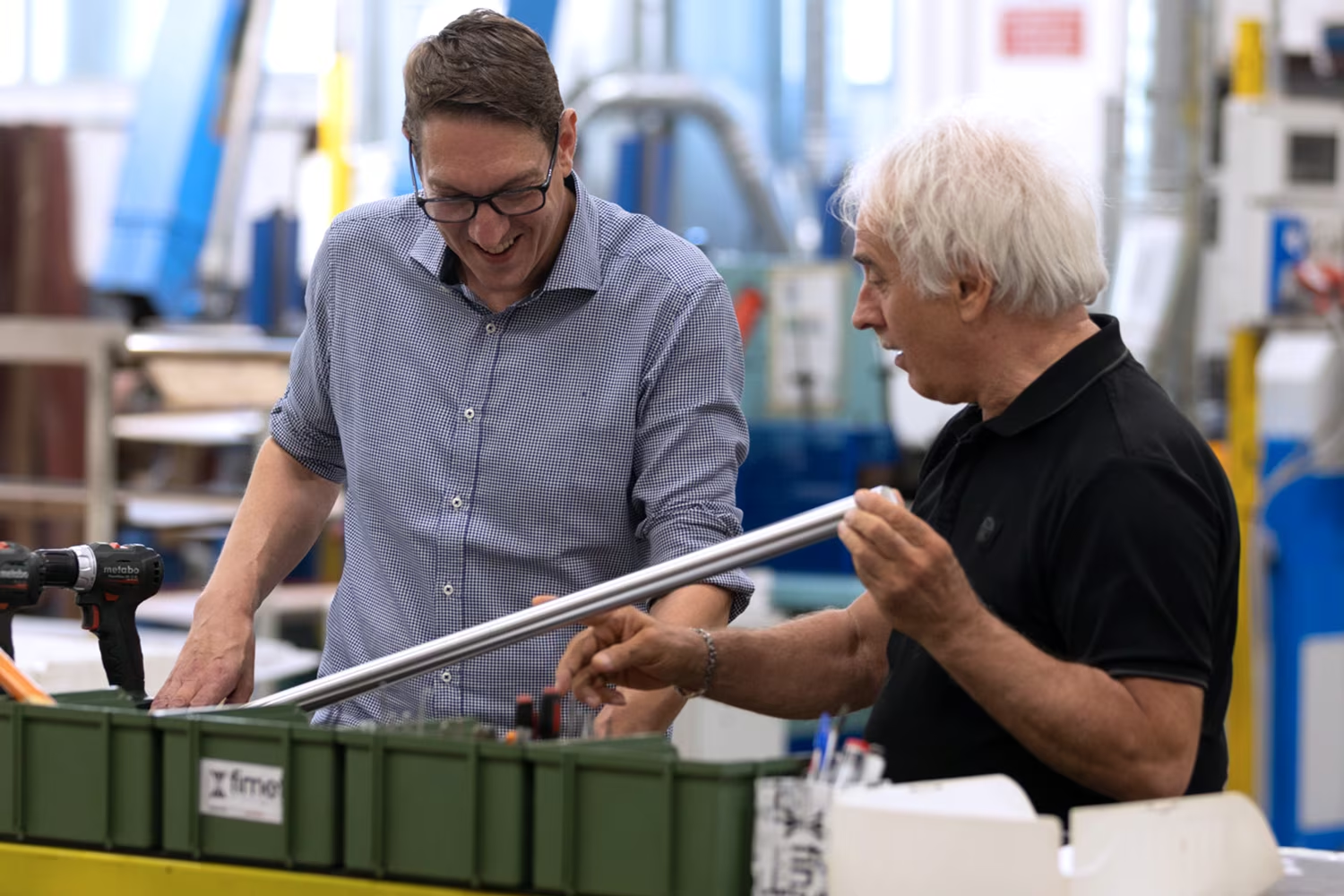
Suppliers are no longer just manufacturers; they are technical partners. Companies that offer fully custom solutions custom involved from the very beginning of a project, working alongside architectural firms and contractors to develop tailored solutions.
2. Production flexibility.
Digitization, rapid prototyping, and shorter supply chains make more efficient on-demand production possible. custom is custom longer synonymous with slowness, but with agility.
3. Identity and differentiation.
Hotels, offices, retail spaces, and high-end residences are looking for unique features. Custom components have become a tool for strengthening a brand and standing out in the market.
4. Sustainability.
Made-to-order production reduces waste and overproduction. Furthermore, the ability to carefully select materials and finishes addresses the growing focus on sustainability in the furniture industry.
The competitive advantages of fully custom solutions
Offering fully customized solutions delivers tangible benefits. First and foremost, it allows you to participate in high-value projects, where price is not the sole deciding factor and profit margins are higher. Furthermore, it fosters stronger relationships with architects and general contractors: the expertise developed together becomes a shared asset that is difficult to replicate.
From a strategic perspective, fully custom furniture custom raise barriers to entry. When a company is able to manage the entire process—from needs analysis to technical design and production—it ceases to be merely a supplier and becomes an integral part of the project’s value chain.
There is also the issue of positioning: those who specialize in custom position custom in a higher-quality segment, where they are less exposed to competition based solely on price and more focused on service, expertise, and problem-solving skills.
From supplier to project partner
In an increasingly competitive global market, it is not just the product that makes the difference, but the overall experience. Customization in B2B furniture allows companies to build long-term relationships, foster customer loyalty, and capture the most sophisticated and profitable segment of the market.
Components, often viewed as mere technical details, thus become a defining and strategic element. Investing in custom evolving from manufacturers of standard products to project partners. And in a world where architects and developers seek unique solutions, this is not just an opportunity—it is a clear and forward-thinking strategic choice.