In the Italian industrial sector, the relationship between people, machines, and automation can no longer be viewed as a conflict. Machines do not simply replace human actions, just as automation does not negate the value of experience. On the contrary, when integrated intelligently, automation becomes a tool that allows the highest-level skills to emerge more clearly.
Today’s industry demands precision, consistency, time management, and the ability to meet ever-higher production standards. In this sense, automation is a necessity: it makes processes more stable, repeatable, and measurable, reducing the margin for error and inefficiencies. It is a concrete response to today’s technological realities, but also an indispensable condition for remaining competitive in a market where quality, speed, and reliability must coexist.
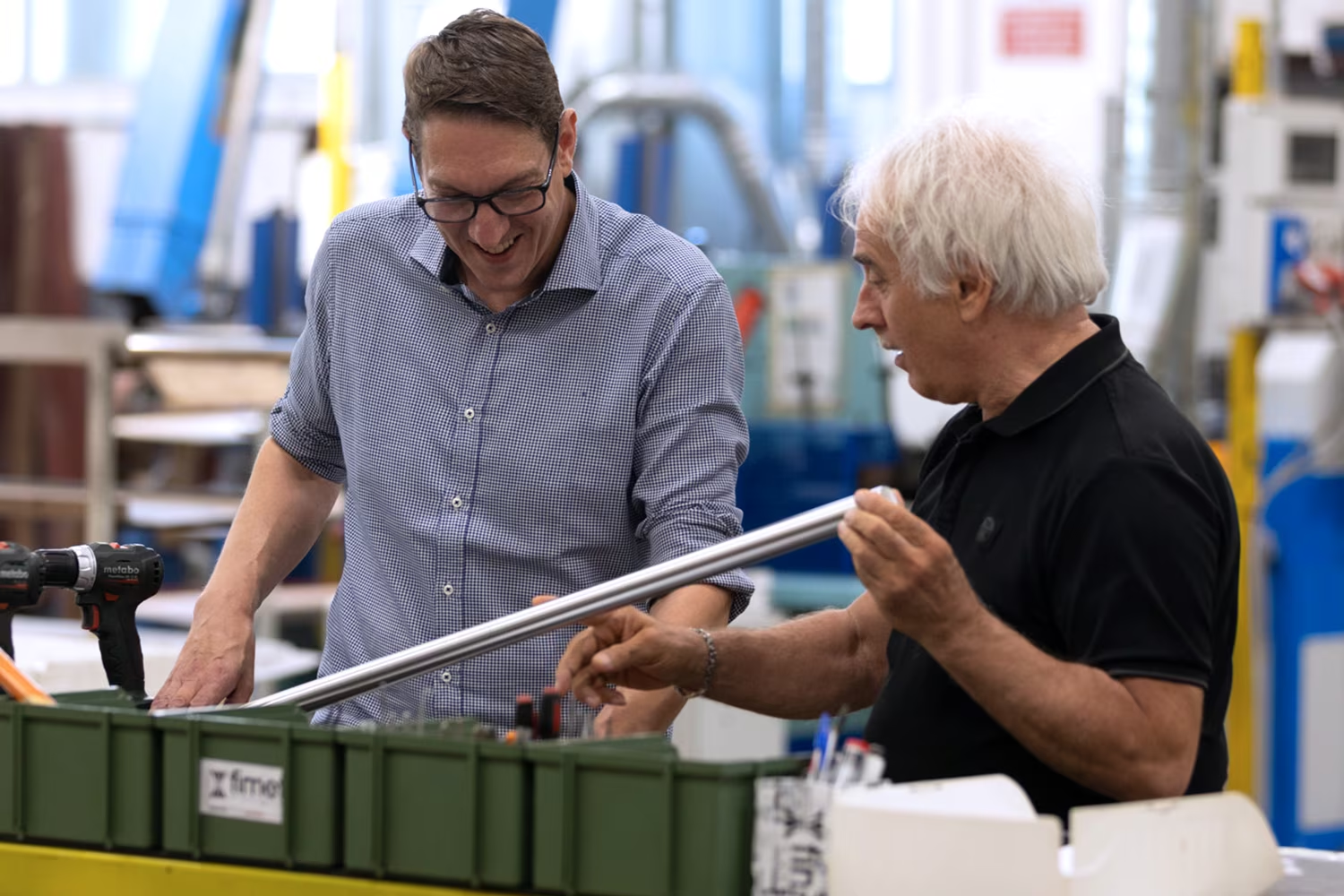
Yet, even as machines become more advanced, the role of people remains central. It changes, refines itself, and shifts to a higher level. The operator is no longer merely an executor, but an expert observer—a technician capable of analyzing the process, interpreting the behavior of materials, recognizing even the slightest variation, and anticipating potential problems. Technology produces data, movements, and sequences; humans assign meaning, evaluate, correct, and decide.
This is where experience becomes an irreplaceable industrial asset. The trained eye of an expert in the field—the ability to assess a finish, a proportion, a tolerance, or a surface—is not secondary to automation; rather, it is what enables automation to generate real value. The machine ensures consistency; the person ensures awareness. Quality arises from the intersection of these two dimensions.
This balance becomes even more evident during the prototyping and development phase of new products. Before an object enters the industrial production cycle, there comes a point when it must be understood, tested, modified, and closely observed. It is a delicate phase, in which technique meets intuition and in which the artisanal approach often remains the most effective—not out of nostalgia, but for the sake of design precision.
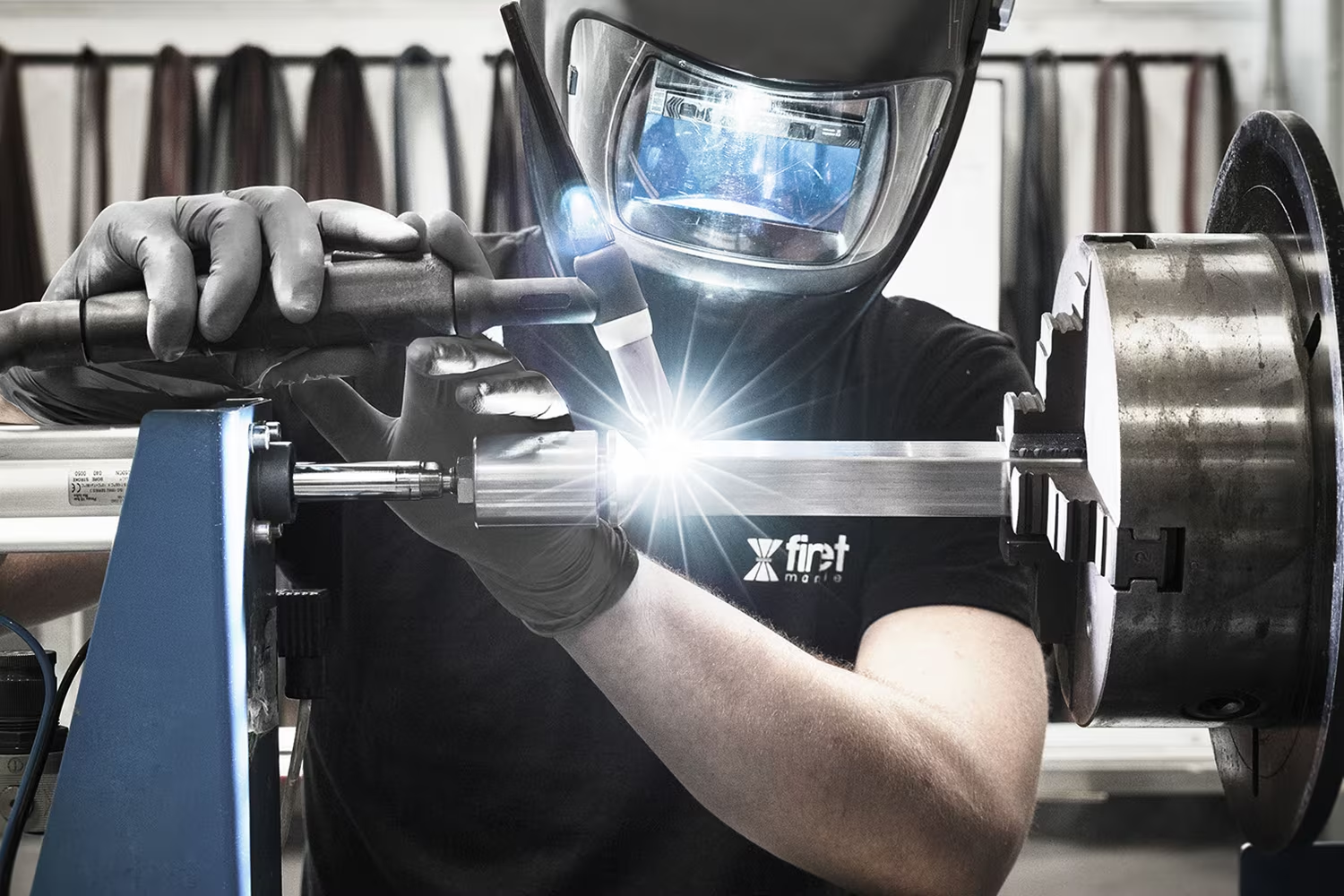
Prototyping requires skilled hands, sensitivity, and the ability to envision a product’s final behavior even before it is fully defined. It requires people capable of engaging with the design, the material, and the function. At this stage, craftsmanship is not the opposite of industry—it is its deepest foundation. It is the place where an idea is tested, refined, and brought to life.
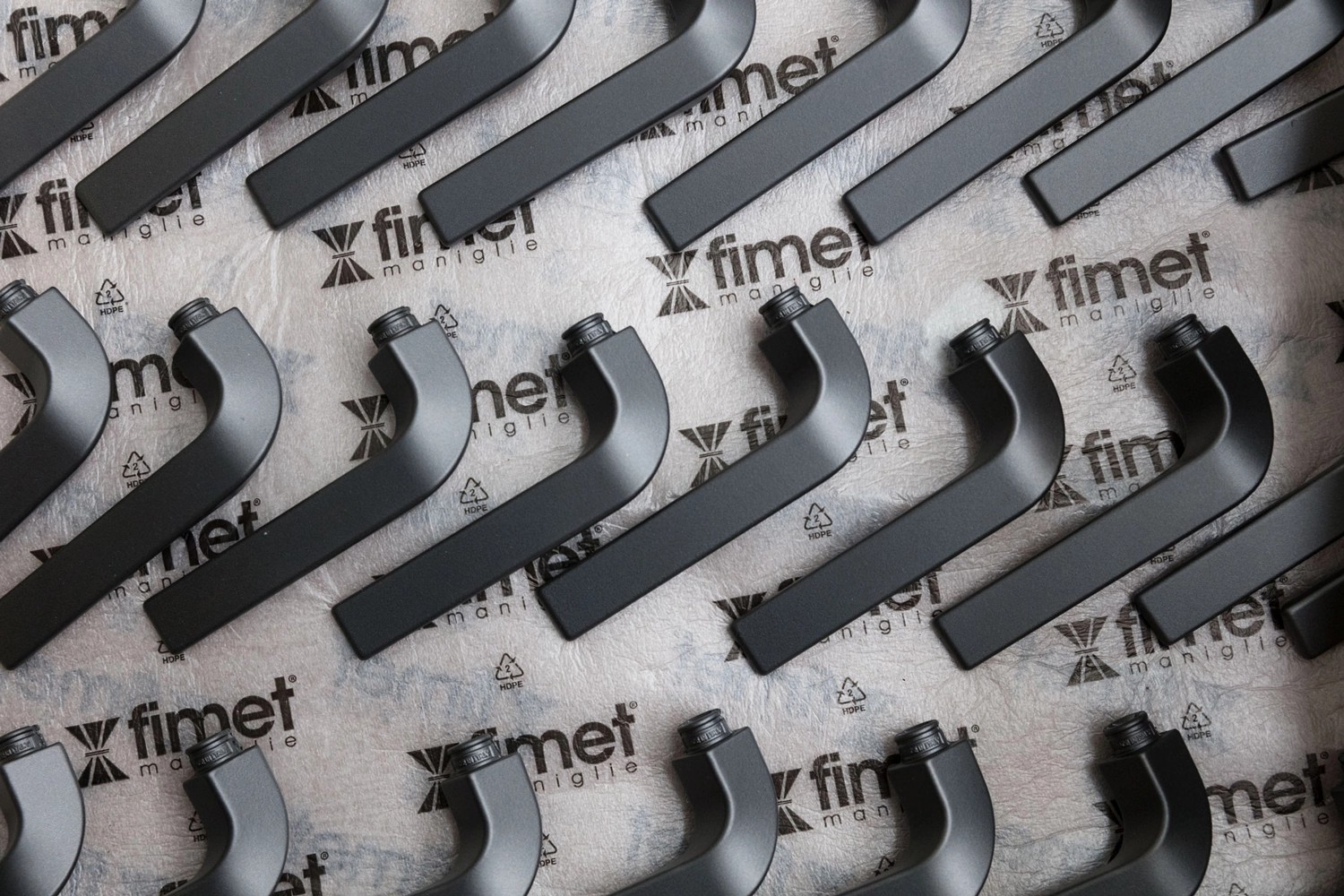
A high-quality industrial product, therefore, is never merely the result of an efficient production line. It is the culmination of a process in which automation, design, and manual expertise come together. It is the result of controlled processes, but also of complex technical evaluations. It is industrialized, of course, but it bears the mark of those who were able to interpret it before, during, and after production.
This is one of the strongest aspects of Italian craftsmanship: the ability to innovate without losing depth, to adopt advanced technologies without sacrificing attention to detail. Automation makes it possible to produce better; experience makes it possible to understand what “better” truly means.
In the future of industry, the challenge will not be choosing between machines and people, but building a system in which everyone can realize their full potential. Machines will need to continue making processes more efficient and precise. People will need to continue contributing what no automated system can fully replicate: judgment, technical insight, responsibility, and the ability to transform a production process into a product culture.